How to Sell Ebooks and PDFs With USDT: From File to Automated Delivery
Prepare, price, license, publish, and privately deliver an ebook or PDF after a confirmed USDT payment without exposing the paid file.
Billixi Editorial
Marketplace education team

Direct answer
To sell an ebook or PDF with USDT, finish and test the paid file, publish a truthful preview and clear usage terms, label the price in USDT, and connect confirmed payment to private buyer access. Keep the complete file off the public product page, explain updates and support before purchase, and test the full buyer journey yourself.
An ebook sale is a promise about a specific file, not merely a cover image. Before asking for payment, make the document readable, define what the buyer may do with it, show enough of the real work to support the decision, and make sure the paid version reaches only the entitled buyer.
This guide focuses on ebooks, workbooks, reports, and other paid PDFs. For the broader seller journey, begin with how to sell digital products with crypto.
The ebook-to-delivery workflow
- Define the reader, problem, and promised outcome.
- Finish the actual paid edition and give it a visible version.
- Test the file on several screen sizes and, when relevant, in print.
- Create a limited preview that cannot substitute for the paid edition.
- Choose a license and state update and support boundaries.
- Set and display the amount in USDT.
- Publish one complete, canonical product page.
- Submit the exact deliverable for the applicable review.
- Test payment confirmation, private delivery, repeat access, and support states.
Prepare a file people can actually use
A paid PDF should open without repair warnings, have predictable page order, and preserve legible text at ordinary zoom. Export from the editable source rather than treating a scan of printed pages as the default. Use selectable text when possible, meaningful headings, descriptive links, bookmarks for longer documents, and alt text for informative images.
Test at least these conditions:
- desktop PDF reader and a narrow phone screen;
- light and dark device environments, even if the page itself stays white;
- working internal links and external references;
- fonts, images, tables, and page breaks after export;
- file size and download time on a normal connection;
- printing at every page size you claim to support.
Accessibility is not a badge you can infer from appearance. The W3C publishes PDF-specific techniques, but the relevant checks depend on the document and the accessibility target you claim. Describe only what you have tested.
Give the edition a stable identity
Put the title, author or publisher, edition, and revision date inside the document. Use a buyer-friendly filename such as remote-interview-workbook-v1-2.pdf, not final-final-3.pdf.
Keep the editable source, exported paid file, cover, and preview separate. A simple release record should say:
- public product title;
- paid filename and version;
- export date;
- source-file version;
- license included;
- devices or readers tested;
- corrections since the previous release.
That record reduces the chance that the listing describes one edition while delivery contains another.
Design a preview that proves value without giving away the product
A strong preview lets a buyer evaluate structure, writing quality, visual clarity, and relevance. It should not reveal private links, personal data, answer keys, licensed source files, or the entire paid outcome.
| Preview option | Best use | Main risk to control |
|---|---|---|
| Cover and contents page | Structured guides and reports | A vague contents page proves little on its own |
| Two or three sample pages | Visual books and workbooks | Samples must represent the paid quality honestly |
| Cropped spreads or screenshots | Layout-heavy PDFs | Small text can become unreadable or misleading |
| Short free excerpt | Narrative or educational ebooks | State where the excerpt ends and paid edition begins |
| Filled example plus blank sample | Worksheets and templates | Do not expose private buyer or client data |
Use preview images on the public page and keep the complete downloadable file in the private delivery flow.
State rights and usage terms before payment
Selling a copy does not automatically transfer every right in the work. In the United States, copyright protects qualifying original expression once it is fixed, and copyright owners can authorize uses through licenses. Rules differ by jurisdiction, so treat this section as product-clarity guidance rather than legal advice.
At minimum, answer:
- Is access for one buyer, one household, one team, or an organization?
- May the buyer print a personal copy?
- May a teacher use pages with a class?
- May a client-facing consultant reuse the material?
- May the file be edited, resold, redistributed, or uploaded elsewhere?
- Are embedded fonts, photos, or illustrations covered by your license?
- What happens when the ebook is updated?
Use plain language on the product page and include the full terms inside the delivered package. Do not sell content you do not own or have permission to distribute.
Price the outcome, edition, and support—not the file size
A 20-page field guide can be more useful than a 200-page general overview. Price from the specificity of the problem, quality of the evidence, time saved, uniqueness, license breadth, included updates, support load, and comparable alternatives.
| Offer | What changes | Suitable when |
|---|---|---|
| Reader edition | Ebook or PDF for one buyer | The product is primarily information |
| Workbook bundle | Guide plus exercises or checklists | Application matters as much as reading |
| Team license | Defined multi-user use | Organizations need clear internal rights |
| Updated edition | Future revisions for a stated period | The subject changes and maintenance is real |
Avoid fake discounts, invented “regular prices,” and promises of income. Use the digital-product pricing framework to test a starting amount. If checkout uses USDT, show the number as USDT, not fiat USD. Also state the supported network at checkout; sending the right token on the wrong network can create a different payment problem.
Build the product page from buyer questions
The public listing should identify:
- the intended reader and problem;
- the exact title, edition, language, format, and page count;
- table of contents and representative preview;
- required software or device limitations;
- license scope, updates, refund context, and support;
- current price and payment token;
- how private access becomes available after payment confirmation.
Avoid describing every PDF as “instant.” Confirmation and fulfillment have real states. Say what the system does and what the buyer should do if access is delayed.
Connect confirmed payment to private delivery
The safe pattern separates public explanation from private access:
- The buyer reads the canonical public listing.
- Checkout shows the exact amount, token, and network.
- The payment is detected and reaches the required confirmation state.
- The purchase record becomes the authority for access.
- The buyer opens the ebook from an authenticated library or authorized download.
- A retry can recover delivery without creating a second purchase.
Do not put the paid file URL in page source, a public guide, a sitemap, or an unprotected storage path. Read the full automated download delivery guide before testing fulfillment.
Plan corrections, updates, and support
Decide whether a purchase includes typo fixes only, a named edition, or future updates for a stated period. Keep old versions available only when that is intentional and safe. When a correction materially changes claims or contents, update the public page and repeat the applicable review for the exact release.
Support boundaries should name the channel, expected response window, supported file readers, and what is not included. Review the Billixi refund policy and describe the product accurately; do not invent a separate promise that conflicts with the marketplace policy.
Ebook launch checklist
- The paid edition is finished, versioned, and backed up.
- The PDF opens cleanly and has been tested on desktop and mobile.
- Navigation, links, tables, images, and fonts work after export.
- The preview is useful but does not expose the complete paid file.
- Title, edition, language, format, page count, and requirements are explicit.
- Rights, printing, sharing, commercial use, and update terms are clear.
- The amount is labeled in USDT and the checkout network is unambiguous.
- The exact delivered release completed the applicable review process.
- Payment, private access, repeat download, and delayed-delivery states were tested.
- Support and refund expectations match the actual workflow.
Frequently asked questions
Should I sell EPUB as well as PDF?
Only if you can test both editions. EPUB can improve reflow on small screens, while PDF preserves fixed layout. List each included format and make sure the delivered files match the listing.
Can I put the download link in the thank-you page?
Only if that page and link enforce buyer authorization. A guessable or publicly accessible URL is not private delivery merely because it appears after checkout.
Does a buyer own the copyright after purchasing an ebook?
Normally a buyer receives the copy and permissions described by the license; a sale does not by itself transfer every copyright right. State the license clearly and obtain legal advice for terms that carry material risk.
How long should an ebook be?
Long enough to deliver the promised outcome without padding. Buyers need an honest scope, not an arbitrary page count.
What should happen when payment is confirmed but the file is temporarily unavailable?
Keep the purchase recorded, show a clear access state, and allow fulfillment to retry safely. Do not ask the buyer to pay again for the same confirmed purchase.
The practical standard is simple: the public page proves what the ebook is, the USDT checkout records payment, and the private library delivers the exact reviewed edition.
Examples from the live marketplace
Related digital products
Explore up to three currently public products that match this guide. Prices come from the live catalog.
Local SEO Starter Kit: Google Maps Audit & Client Guide (Arabic)
9 USDTA live ebook or PDF offer you can inspect for positioning, preview, and packaging decisions.
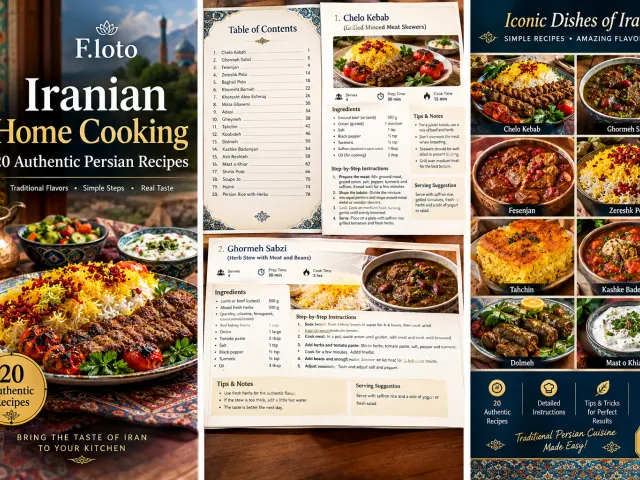
Authentic Iranian Recipes – Persian Food Cookbook PDF
11 USDTA live ebook or PDF offer you can inspect for positioning, preview, and packaging decisions.
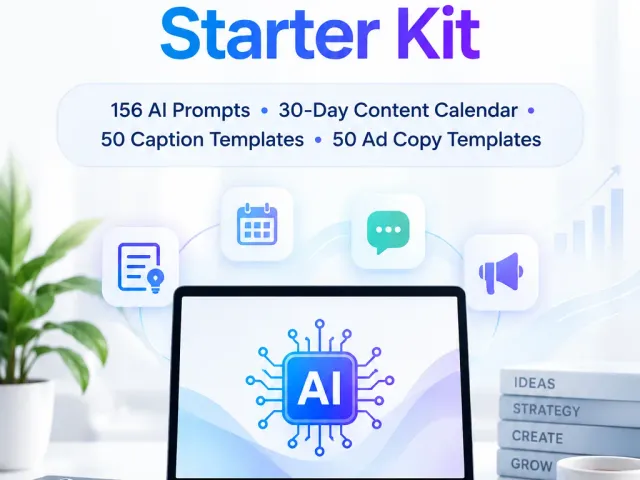
AI Content Creator Starter Kit – 156 AI Prompts & Content Templates
12 USDTA live ebook or PDF offer you can inspect for positioning, preview, and packaging decisions.
Put this guide into practice
Related Billixi solutions
Explore the workflow that matches this guide, including the public offer, delivery context, USDT checkout, and eligible distribution options.